Budget App for Single Income Families: Making Every Dollar Count
Budget App for Single Income Families: Making One Income Work
Living on one income—whether by choice or circumstance—requires intentional financial management. Without a second income as backup, every dollar matters more. The right budget app and strategies can help your single-income family not just survive, but thrive.
The Single Income Reality
Single-income families face unique challenges:
- No backup income if the earner loses their job
- Tighter margins for unexpected expenses
- Less flexibility for lifestyle choices
- Higher financial stress (often)
- More judgment from dual-income society
But also unique advantages:
- Simplified finances with one income stream
- Clear roles that can reduce conflict
- One partner focused on home (if that's your situation)
- Lower work-related expenses (childcare, commuting, work clothes)
"Single income doesn't mean single struggle. It means single focus—every dollar, every decision, intentionally directed."
Why Budgeting Is Non-Negotiable
For single-income families, budgeting isn't optional—it's survival:
No Room for "Where Did It Go?"
When there's no second income to cover gaps, you must know exactly where money flows.
Every Dollar Needs a Job
Zero-based budgeting becomes essential. Unassigned money disappears.
Emergency Fund Is Critical
With no backup income, your emergency fund IS your backup income.
Priorities Must Be Clear
You can't afford everything. You must choose what matters most.
Essential Budget Features for Single-Income Families
When choosing a budget app, look for:
1. Envelope/Category System
Allocate every dollar to a category before spending. When an envelope is empty, spending stops.
2. Easy Tracking
When margins are tight, you need to track spending in real-time, not discover overages after the fact.
3. Partner Visibility
Even if only one earns, both partners need to see and understand the budget. Financial management is still teamwork.
4. Savings Goal Tracking
Visual progress toward goals (emergency fund, sinking funds) keeps you motivated.
5. Irregular Expense Planning
Single-income families can't absorb surprise expenses as easily. Sinking funds are essential.
6. Simple Interface
When time is limited (one partner managing home/kids), complexity is the enemy.
FamilyJar for Single-Income Families
FamilyJar works exceptionally well for single-income households:
Clear Budgeting Structure
- Allocate income across categories
- See exactly what's available in each area
- Both partners view the same information
Shared and Personal Categories
Even on one income, each partner deserves some "no questions asked" money. Personal categories enable this without separate accounts.
Savings Goals
Track progress toward:
- Emergency fund (extra important for single income)
- Sinking funds
- Family goals
Free
When you're living on one income, not paying for budgeting software matters.
Budget Strategies for Single-Income Families
Strategy 1: The Bare Bones Budget
Know your absolute minimum:
- List only essential expenses
- Calculate total survival cost
- This is your "must cover" number
- Build from here
If income covers bare bones plus savings, you're in a stable position.
Strategy 2: Aggressive Emergency Fund
Standard advice is 3-6 months. Single-income families need more:
- Minimum: 6 months of expenses
- Better: 9 months of expenses
- Ideal: 12 months of expenses
This is your backup income. Treat it as sacred.
Strategy 3: Sinking Funds for Everything
Annual and irregular expenses must be planned:
- Insurance premiums
- Car maintenance
- Home repairs
- Holiday spending
- Kids' activities
- Medical costs
Divide annual costs by 12. Save monthly. No surprises.
Strategy 4: Strict Priority Order
When money is tight, follow this order:
- Housing
- Utilities
- Food (groceries, not dining)
- Transportation (to maintain income)
- Insurance
- Minimum debt payments
- Everything else
Strategy 5: The Buffer System
Keep one month's expenses in checking as a buffer. Live on last month's income. This prevents paycheck-to-paycheck stress.
Common Single-Income Challenges and Solutions
Challenge: No Margin for Error
Solution: Build larger emergency fund. Create sinking funds for all irregular expenses. Track spending religiously.
Challenge: Partner Feels Powerless About Money
Solution: Both partners must be involved in budgeting. The non-earning partner should have equal say and visibility.
Challenge: Single Point of Failure
Solution: Income protection through adequate life and disability insurance. Cross-train spouse on family finances.
Challenge: Kids Cost More Than Expected
Solution: Sinking funds for all kid expenses. Realistic budgeting based on actual costs, not hopes.
Challenge: No Career Growth for At-Home Partner
Solution: Budget for occasional skill development. Maintain professional connections. Plan for eventual return if desired.
Reducing Expenses on Single Income
Housing (Biggest Impact)
- Consider downsizing
- House hack (rent a room)
- Relocate to lower-cost area
- Refinance if rates are better
Transportation
- One car family if possible
- Buy reliable used, not new
- Maintain well to avoid repairs
- Live close to work if possible
Food
- Meal plan religiously
- Cook from scratch
- Pack all lunches
- Limit dining out to rare treats
Childcare
- One parent at home eliminates this cost
- Trade childcare with other families
- Use family help if available
Lifestyle
- Free entertainment (library, parks, nature)
- Secondhand shopping
- DIY what you can
- Say no to keeping up with others
Protecting Your Single Income
Life Insurance
If the earner dies, the family needs years of income replacement.
Recommendation: 10-12x annual income in term life insurance
Disability Insurance
More likely than death, disability can devastate finances.
Recommendation:
- Check employer coverage
- Consider supplemental policy
- Should cover 60%+ of income
Emergency Fund
Your self-funded insurance policy.
Recommendation: 6-12 months of expenses, minimum
Skills of Non-Working Spouse
If needed, could the non-earning spouse return to work?
- Keep certifications current
- Maintain professional network
- Develop marketable skills
Making the Budget Conversation Work
In single-income households, money conversations can be fraught:
For the Earner
- Don't use "my money" language
- Include partner in all decisions
- Value non-monetary contributions
- Don't unilaterally set budgets
For the Non-Earner
- Stay engaged with finances
- Have equal say in budget
- Track spending conscientiously
- Contribute to financial goals
Together
- Weekly money check-ins
- Both have personal spending money
- Decisions made jointly
- No financial secrets
"One income doesn't mean one person decides. Family finances are team finances, regardless of who earns."
When Single Income Is a Choice
If you're choosing single income (for childcare, lifestyle, or other reasons):
Before Making the Switch
- Build 6-12 month emergency fund first
- Pay off high-interest debt
- Test-live on one income for 3-6 months
- Calculate true costs (and savings)
Making It Work
- Budget for non-earning spouse needs
- Maintain some personal spending money for both
- Plan for career re-entry if desired
- Value the non-monetary contributions
If It's Not Working
- Have honest conversations
- Consider part-time work
- Explore work-from-home options
- Revisit the decision periodically
Your Single-Income Budget Action Plan
This Week
- Calculate bare-bones essential expenses
- Review current emergency fund status
- Download FamilyJar and set up budget
This Month
- List all annual/irregular expenses
- Create sinking funds for each
- Review insurance coverage
This Quarter
- Build emergency fund toward 6-month goal
- Establish weekly money meeting routine
- Identify one area to reduce expenses
This Year
- Reach 6+ month emergency fund
- All irregular expenses fully funded
- Financial communication flowing smoothly
Single Income Can Work
Living on one income isn't easy, but millions of families do it successfully. The keys are:
- Intentional budgeting — Know where every dollar goes
- Adequate protection — Emergency fund and insurance
- True partnership — Both spouses engaged in finances
- Clear priorities — Know what matters most
FamilyJar gives single-income families the tools to budget together, track spending in real-time, and build toward goals as a team. And because it's free, it won't add to your expenses.
Download FamilyJar today and start making your single income work for your family's future.
One income. Infinite intention. That's the path to financial success.

Written by
Rafał GawlikFounder of FamilyJar
Rafał Gawlik is the founder of FamilyJar, and a husband and father based in Kraków, Poland. He writes about family budgeting, the envelope method, and building financial security as a couple — drawing on the real-world workflows behind the FamilyJar app and his own experience running a household budget.
Related Articles
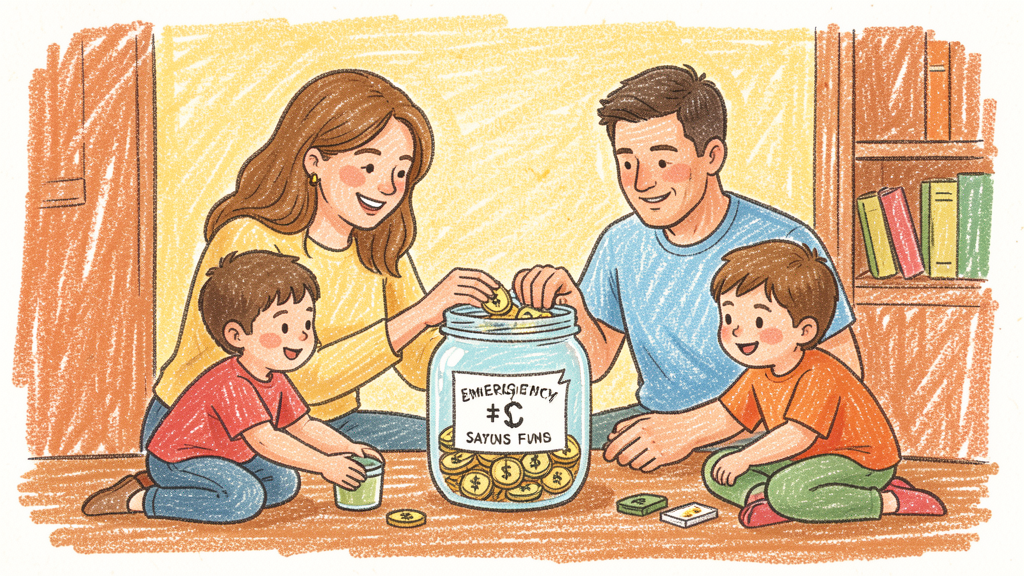
Emergency Fund Guide for Families: How Much Do You Really Need?
Calculate exactly how much your family needs in an emergency fund. Learn how to build it fast, where to keep it, and when to use it.
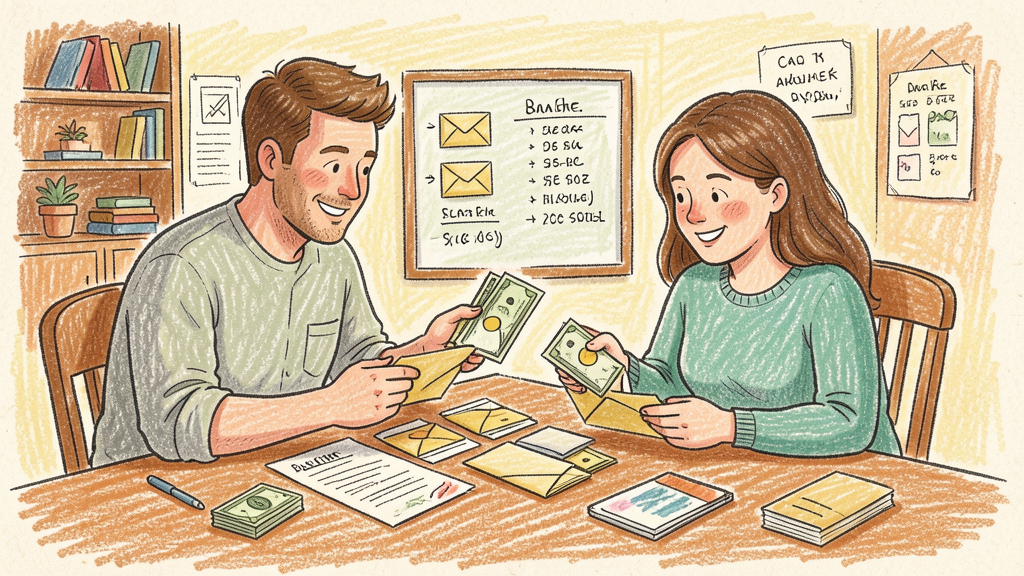
The Complete Guide to Envelope Budgeting for Families
Learn how envelope budgeting can transform your family's finances. Discover the proven method that helps couples manage money together with transparency and purpose.

Sinking Funds for Families: Never Be Surprised by Expenses Again
Learn how sinking funds can transform your family budget. Discover how to plan for irregular expenses so they never derail your finances.