The Complete Guide to Envelope Budgeting for Families
What is Envelope Budgeting?
Envelope budgeting is a time-tested money management method that gives every dollar a specific purpose. Originally, people would divide their cash into physical envelopes labeled with different spending categories. Today, with apps like FamilyJar, you can apply the same powerful principles digitally.
Why Envelope Budgeting Works
The envelope method works because it creates visual boundaries for your spending. When you can see exactly how much money remains in each category, you make more intentional decisions about where your money goes.
Key Benefits for Families
- Transparency: Both partners can see the family's complete financial picture
- Accountability: It's harder to overspend when you're tracking every category
- Flexibility: You can adjust allocations based on your family's unique needs
- Goal alignment: Savings goals become tangible and achievable
Getting Started with Envelope Budgeting
If you're brand new to this method, start with our step-by-step Envelope Budgeting for Beginners guide.
Step 1: Track Your Current Spending
Before creating your budget, spend one month tracking where your money actually goes. This baseline helps you create realistic categories and allocations.
Step 2: Identify Your Categories
Common family budget categories include:
- Essentials: Rent/mortgage, utilities, groceries, insurance
- Transportation: Gas, car payments, maintenance
- Personal: Each partner gets discretionary spending money
- Savings: Emergency fund, vacation, large purchases
- Entertainment: Dining out, streaming services, hobbies
Step 3: Allocate Your Income
When your paycheck arrives, distribute it across your envelopes. The key is to allocate 100% of your income—every dollar should have a job.
Step 4: Spend Only What's in the Envelope
This is the discipline part. If your "dining out" envelope is empty, you wait until next month or transfer from another category (with your partner's agreement).
Making It Work as a Couple
The envelope method shines for couples because it creates a shared financial language. Here's how to make it work:
"The goal isn't to restrict each other—it's to work toward shared dreams together."
Agree on Shared vs. Personal Categories
Some expenses are clearly shared (mortgage, groceries), while others might be personal (hobbies, personal care). Decide together what falls into each bucket.
Have Regular Money Dates
Schedule weekly or bi-weekly check-ins to review your budget together. Celebrate wins and adjust categories as needed. Get ideas from Couples Money Date Night.
Be Flexible, Not Rigid
Life happens. A rigid budget breaks under pressure, but a flexible one bends and adapts. If you overspend in one category, discuss it without blame and adjust.
Common Mistakes to Avoid
Want the full list? See Envelope Budgeting Mistakes: 10 Errors That Derail Your Budget.
- Creating too many categories: Start with 8-12 categories maximum
- Being too restrictive: Leave room for fun and spontaneity
- Not involving both partners: Both people need to participate
- Giving up too early: It takes 2-3 months to find your rhythm
Start Your Envelope Budgeting Journey
Ready to transform your family's finances? FamilyJar makes envelope budgeting simple and intuitive. Create your shared and personal categories, track expenses in real-time, and watch your savings grow together.
The path to financial harmony starts with a single step—and envelope budgeting is that step.
Frequently Asked Questions
What is envelope budgeting in simple terms?+
Envelope budgeting means dividing your income into categories (envelopes) and only spending what each envelope holds. When an envelope is empty, you stop spending in that category until the next budgeting period.
Does envelope budgeting work for couples?+
Yes. It is especially powerful for couples because both partners can see exactly how much is left in each shared category, which builds transparency and reduces money conflicts. Apps like FamilyJar let both partners track the same envelopes in real time.
How many budget categories should a family have?+
Most families do well with 10 to 15 categories. Start with the essentials (housing, groceries, utilities, transportation, savings) and add more only if you need finer control. Too many envelopes become hard to maintain.
What is the difference between cash and digital envelopes?+
Cash envelopes use physical bills divided into labeled envelopes. Digital envelopes track the same categories in an app, giving you the discipline of the method without carrying cash and with automatic tracking and reporting.

Written by
Rafał GawlikFounder of FamilyJar
Rafał Gawlik is the founder of FamilyJar, and a husband and father based in Kraków, Poland. He writes about family budgeting, the envelope method, and building financial security as a couple — drawing on the real-world workflows behind the FamilyJar app and his own experience running a household budget.
Related Articles

Envelope Budgeting for Beginners: Your First Month Step by Step
New to envelope budgeting? This beginner's guide walks you through your first month, from setting up categories to tracking spending the easy way.
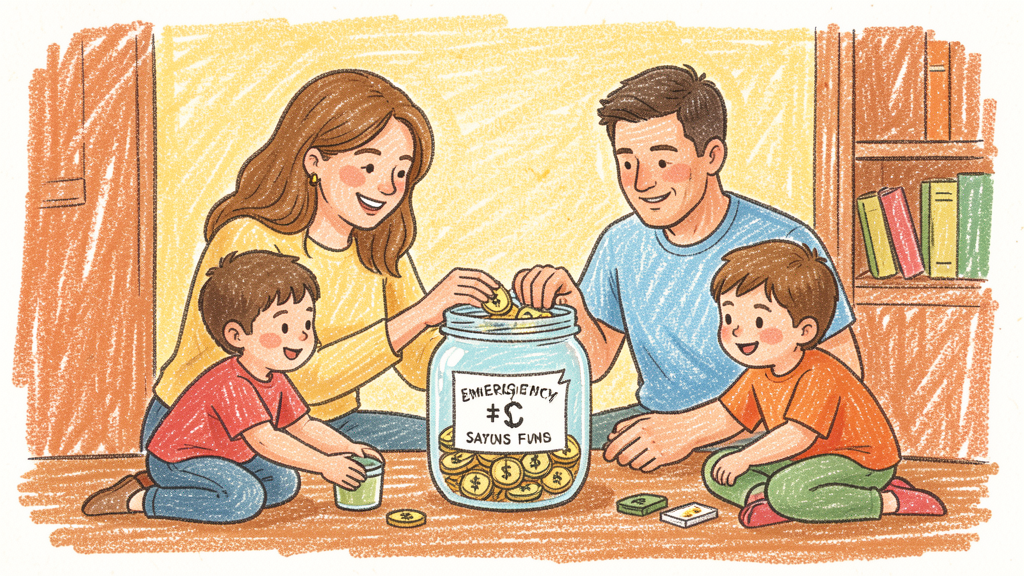
Emergency Fund Guide for Families: How Much Do You Really Need?
Calculate exactly how much your family needs in an emergency fund. Learn how to build it fast, where to keep it, and when to use it.

Sinking Funds for Families: Never Be Surprised by Expenses Again
Learn how sinking funds can transform your family budget. Discover how to plan for irregular expenses so they never derail your finances.